

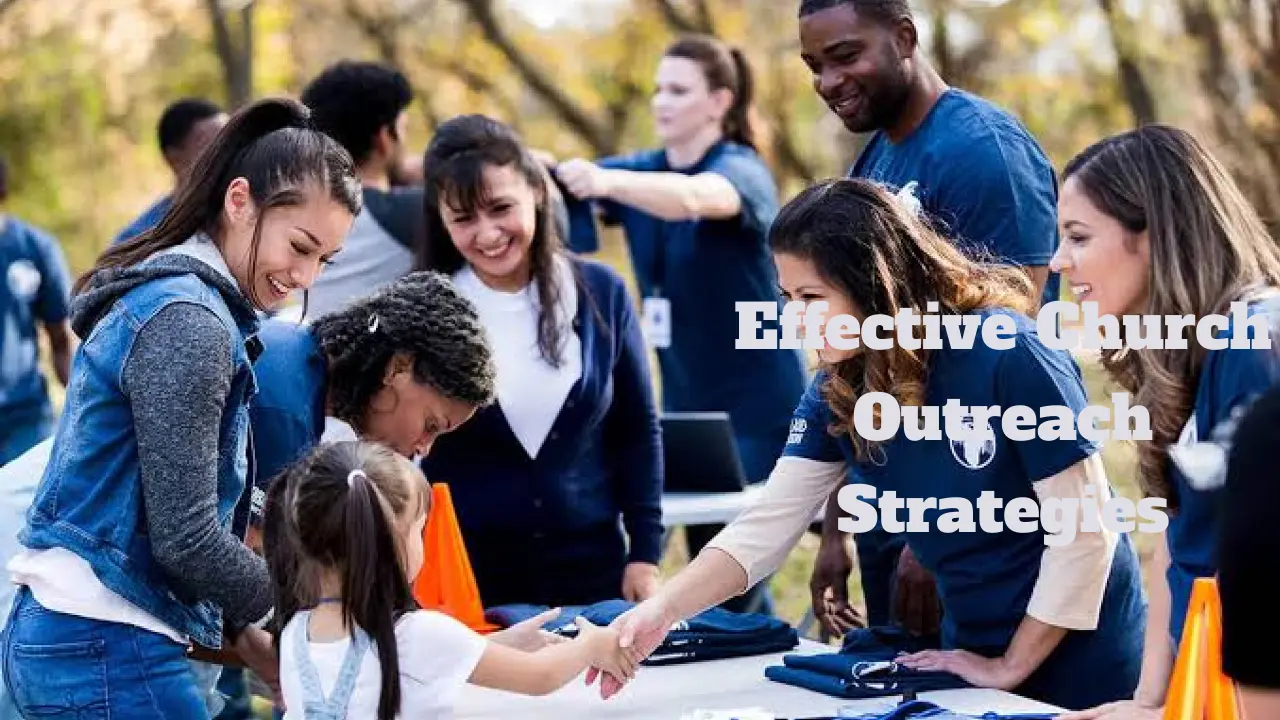
Churches today face a unique challenge. While many people are searching for hope, purpose, and meaningful relationships, connecting with them has become increasingly difficult. Traditional outreach methods still have value, but modern communities require a more intentional and relationship focused approach.
The most effective church outreach strategies are not about increasing attendance numbers alone. They are about serving people, meeting real needs, building trust, and creating lasting relationships that point individuals toward faith and community.
Whether you lead a large congregation or a small local church, this guide will help you develop outreach efforts that create a genuine impact in your community.
What Are Effective Church Outreach Strategies?
Effective church outreach strategies are intentional efforts designed to connect churches with people both inside and outside their congregations. These strategies focus on serving communities, sharing faith, building relationships, and creating opportunities for spiritual growth.
Successful outreach is built on three principles:
- Understanding community needs
- Providing practical support and service
- Building authentic relationships
When churches prioritize these principles, outreach becomes more than an event. It becomes a ministry that transforms lives.
Why Church Outreach Matters More Than Ever
Modern society is increasingly disconnected. Many individuals struggle with loneliness, financial pressures, mental health challenges, and a lack of community support.
Churches have a unique opportunity to address these challenges by offering:
- Spiritual guidance
- Community support
- Practical assistance
- Meaningful relationships
- Hope during difficult times
Strong church engagement helps churches become valuable resources within their communities rather than simply places of worship.
Why Many Church Outreach Efforts Fail
Before exploring successful outreach methods, it is important to understand common mistakes.
Lack of Community Understanding
Many churches organize events without first learning what their community actually needs. Outreach becomes much more effective when leaders listen to local residents and identify genuine concerns.
Focusing Only on Attendance Growth
People can often sense when outreach is designed solely to increase membership. The most successful ministries focus first on serving others.
Poor Follow Up
Many churches invest significant effort in attracting visitors but fail to maintain contact afterward. Consistent follow up helps turn first time visitors into long term participants.
Limited Online Presence
Today’s communities often search online before visiting a church. A weak digital presence can reduce outreach effectiveness significantly.
Effective Church Outreach Strategies That Actually Work
Build Strong Community Partnerships
One of the most powerful church growth strategies involves partnering with local organizations.
Consider collaborating with:
- Schools
- Community centers
- Food banks
- Nonprofit organizations
- Local businesses
These partnerships allow churches to expand their reach while addressing real community challenges.
For example, a church that partners with local schools may provide school supplies, tutoring programs, or family support services.
Organize Community Service Projects
Service remains one of the most effective outreach methods available.
Popular community outreach programs include:
- Food drives
- Clothing donations
- Homeless assistance initiatives
- Neighborhood cleanups
- Disaster relief support
- Senior assistance programs
When churches serve consistently, they build credibility and trust within their communities.
Host Family Friendly Community Events
Events provide opportunities for churches to connect with people in a relaxed and welcoming environment.
Ideas include:
- Family fun days
- Community picnics
- Holiday celebrations
- Summer festivals
- Back to school events
- Children’s activity days
Successful church event ideas focus on providing value rather than promoting programs.
Develop a Strong Online Presence
Digital church outreach has become essential.
Your church website should include:
- Service times
- Location information
- Ministry details
- Event calendars
- Contact information
- Online sermons
A well maintained website helps potential visitors learn about your church before attending.
Use Social Media Strategically
Social media is one of the most affordable church marketing ideas available today.
Effective content includes:
- Inspirational messages
- Community updates
- Event promotions
- Volunteer spotlights
- Testimonies
- Live service broadcasts
Consistency is more important than volume. Posting valuable content regularly helps strengthen engagement.
Create Outreach Programs for Different Age Groups
Every demographic has unique needs and interests.
Youth Outreach
Young people often connect through:
- Sports programs
- Music events
- Leadership development
- Mentorship opportunities
Young Adult Outreach
Young adults often seek:
- Career guidance
- Community groups
- Relationship support
- Volunteer opportunities
Family Outreach
Families appreciate:
- Parenting workshops
- Family activities
- Community support programs
- Children’s ministries
Senior Outreach
Older adults benefit from:
- Fellowship gatherings
- Transportation assistance
- Home visits
- Care ministries
Tailoring outreach to specific groups increases effectiveness and engagement.
Encourage Member Driven Outreach
Some of the most effective church outreach strategies happen through personal relationships.
Church members can:
- Invite friends and family
- Volunteer in community programs
- Participate in service projects
- Share personal faith stories
- Welcome new visitors
People are often more receptive to invitations from trusted friends than traditional advertising.
Launch Small Group Ministries
Small groups create meaningful connections that larger gatherings sometimes cannot provide.
Benefits include:
- Deeper relationships
- Spiritual growth
- Accountability
- Personal support
- Increased retention
Many churches discover that small groups become one of their strongest outreach ministry planning tools.
Follow Up With First Time Visitors
Visitor retention depends heavily on follow up.
Effective methods include:
- Welcome emails
- Personal phone calls
- Handwritten notes
- Follow up events
- Invitation to small groups
The goal is to help visitors feel valued and connected.
Digital Church Outreach Strategies for Modern Ministries
Technology offers new opportunities for ministry growth.
Email Marketing
Regular email communication keeps members informed and engaged.
Share:
- Upcoming events
- Ministry updates
- Prayer requests
- Volunteer opportunities
Online Prayer Groups
Virtual prayer gatherings help people stay connected regardless of location.
Livestream Services
Many individuals attend online before visiting in person. High quality livestreams can significantly expand your church’s reach.
Online Bible Studies
Virtual studies provide flexibility and accessibility for busy individuals.
Measuring Outreach Success
Successful churches evaluate outreach efforts regularly.
Track important metrics such as:
- Visitor attendance
- Volunteer participation
- Event attendance
- Website traffic
- Social media engagement
- Small group participation
- Community feedback
These insights help identify what works and where improvements are needed.
Common Outreach Mistakes to Avoid
Overcomplicating Events
Simple events often produce better results than highly complex programs.
Ignoring Community Needs
Outreach should address actual concerns within the local community.
Inconsistent Communication
Regular communication builds trust and keeps people engaged.
Lack of Volunteer Training
Well trained volunteers create positive experiences for visitors and community members.
Creating a Long Term Church Outreach Plan
A sustainable outreach strategy requires planning.
Set Clear Goals
Define measurable objectives such as:
- Increased volunteer participation
- Greater community involvement
- Improved visitor retention
Understand Community Needs
Conduct surveys, attend local meetings, and engage with residents.
Build a Dedicated Outreach Team
Strong leadership helps maintain momentum throughout the year.
Create an Annual Outreach Calendar
Plan events and service opportunities in advance to ensure consistency.
Evaluate and Improve
Review outreach results regularly and make adjustments based on feedback and outcomes.
Conclusion
The most effective church outreach strategies focus on serving people rather than simply growing attendance. Churches that invest in relationships, community service, digital engagement, and meaningful follow up create lasting impact within their communities.
Whether your church is large or small, success begins by understanding local needs and responding with compassion, consistency, and genuine care. By implementing these proven outreach methods, your ministry can build stronger connections, expand its influence, and help more people experience faith, hope, and community.
